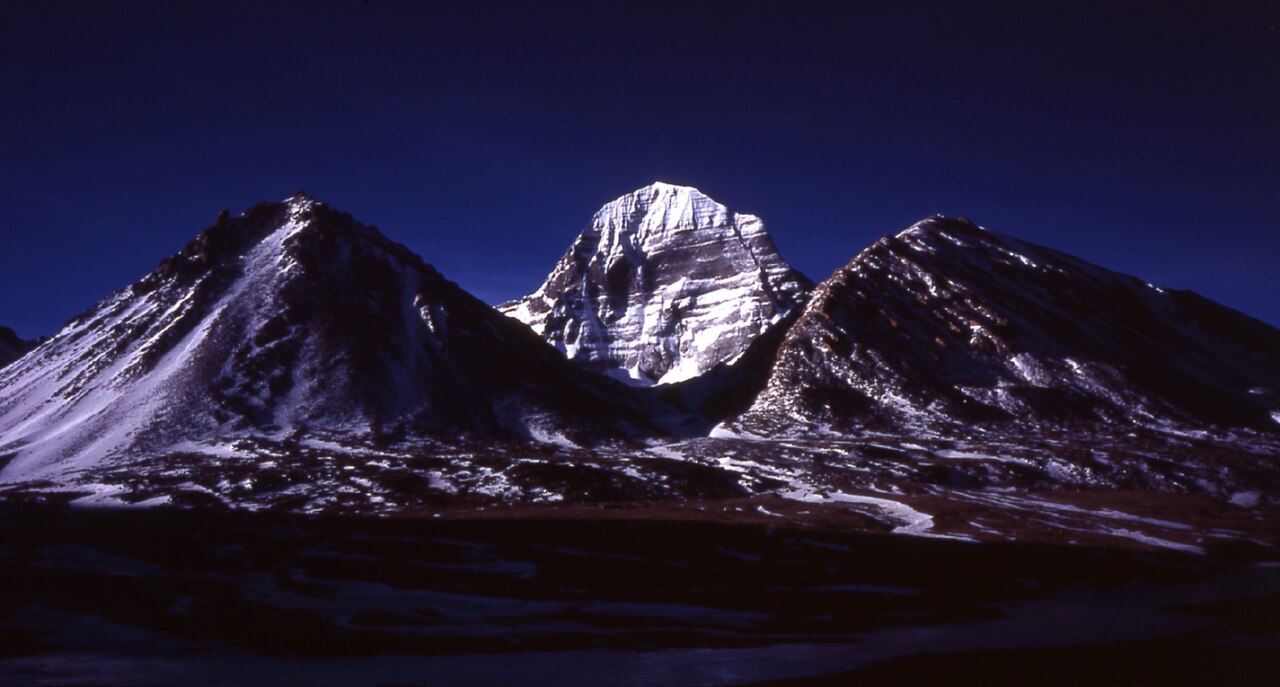
Introduction to Kailash Mansarovar Yatra Kailash Mansarovar Yatra is one of the most sacred pilgrimages in the Himalayan region.
Pilgrims travel to Mount Kailash and Lake Mansarovar in Tibet for deep spiritual fulfillment.
Moreover, the journey attracts devotees from Hinduism, Buddhism, Jainism, and Bon traditions.
Thousands of pilgrims attempt this spiritual expedition every year despite harsh mountain conditions.
Therefore, the pilgrimage symbolizes faith, devotion, endurance, and spiritual purification. The sacred mountain rises majestically in the remote Tibetan Plateau near the Himalayas.
Meanwhile, the pristine Lake Mansarovar lies nearby with calm waters and breathtaking landscapes.
Together, these sites form one of the holiest pilgrimage destinations in Asia.
Religious Significance of Mount Kailash Mount Kailash holds extraordinary spiritual importance in several religions.
Hindus believe the mountain serves as the eternal residence of Lord Shiva and Goddess Parvati.
Consequently, devotees consider the region the spiritual center of the universe. Buddhists revere the mountain as the home of Demchok, a manifestation of supreme bliss.
Similarly, Jain followers believe their first Tirthankara attained liberation near this sacred peak.
Meanwhile, Bon practitioners worship the mountain as a powerful spiritual axis. Because of this sacred status, climbing Mount Kailash remains strictly forbidden.
Instead, pilgrims perform a ritual circumambulation called “Kora” around the mountain.
Therefore, devotees experience spiritual cleansing while completing this sacred path.
Importance of Lake Mansarovar Lake Mansarovar ranks among the highest freshwater lakes in the world.
The lake rests at an altitude of about 4,590 meters above sea level.
Its crystal-clear water reflects surrounding mountains and the vast Tibetan sky. According to Hindu belief, the lake formed in the mind of Lord Brahma.
Therefore, the name “Mansarovar” originates from the Sanskrit word “Manas,” meaning mind.
Pilgrims take a holy dip in the lake to purify their souls. Furthermore, devotees perform prayers and meditation along the peaceful shoreline.
The spiritual atmosphere encourages deep reflection and inner transformation.
Routes for Kailash Mansarovar Yatra Pilgrims can reach Kailash Mansarovar through different routes depending on nationality and logistics.
The traditional route from India passes through the Lipulekh Pass in Uttarakhand.
However, another route connects pilgrims through the Nathu La Pass in Sikkim. Additionally, many travelers enter Tibet through Nepal for a shorter travel route.
This Nepal route usually begins with a flight from Kathmandu to Lhasa or nearby airports.
Consequently, travelers continue the journey by road across the Tibetan plateau. Each route offers unique landscapes, cultural encounters, and spiritual experiences.
Nevertheless, every path requires careful preparation due to extreme altitude.
The Sacred Kailash Parikrama The Kailash Parikrama forms the most important ritual during the pilgrimage.
Pilgrims walk approximately 52 kilometers around Mount Kailash during this sacred circuit.
Most travelers complete the parikrama in three challenging days. The route crosses high mountain passes, rugged trails, and dramatic Himalayan scenery.
Furthermore, the Dolma La Pass stands as the highest point of the journey.
This pass rises above 5,600 meters above sea level. Therefore, pilgrims consider crossing Dolma La spiritually powerful and deeply transformative.
Many devotees believe completing the parikrama removes past sins and karmic burdens.
Best Time to Visit Kailash Mansarovar The pilgrimage season usually runs from May to September each year.
During these months, weather conditions remain relatively stable in the Himalayan region.
However, temperatures remain cold due to high altitude. Clear skies also offer breathtaking views of Mount Kailash and surrounding landscapes.
Meanwhile, pilgrims celebrate important religious rituals during the full moon of June or July.
Therefore, this period often attracts large numbers of devotees. Travelers should prepare carefully for sudden weather changes and altitude challenges.
Proper planning ensures a safer and more comfortable pilgrimage experience.
Physical Preparation and Travel Requirements Kailash Mansarovar Yatra demands strong physical endurance and mental determination.
Pilgrims walk long distances across rugged terrain at extremely high elevations.
Therefore, physical fitness becomes essential before starting the journey. Travelers often train through walking, hiking, and cardiovascular exercises before departure.
Additionally, acclimatization helps prevent altitude sickness during the pilgrimage. Participants must also obtain permits and travel approvals for entry into Tibet.
Consequently, many pilgrims join organized tour groups for easier arrangements.
Spiritual Experience of the Pilgrimage Kailash Mansarovar Yatra offers far more than a physical adventure.
Pilgrims describe the journey as a deeply transformative spiritual experience.
The silence of the mountains encourages meditation and inner peace. Meanwhile, the sacred environment inspires humility and devotion among travelers.
Many pilgrims feel profound emotional connection when seeing Mount Kailash for the first time.
Therefore, the pilgrimage remains one of the most meaningful spiritual journeys in the world.
Conclusion Kailash Mansarovar Yatra stands as one of the most sacred pilgrimages on Earth.
The journey combines breathtaking Himalayan landscapes with powerful religious traditions.
Moreover, pilgrims seek spiritual purification and divine blessings throughout the expedition. Although the route challenges both body and mind, the reward feels deeply spiritual.
Therefore, devotees continue traveling across mountains to reach this sacred destination.
Kailash Mansarovar remains a timeless symbol of faith, devotion, and spiritual awakening.