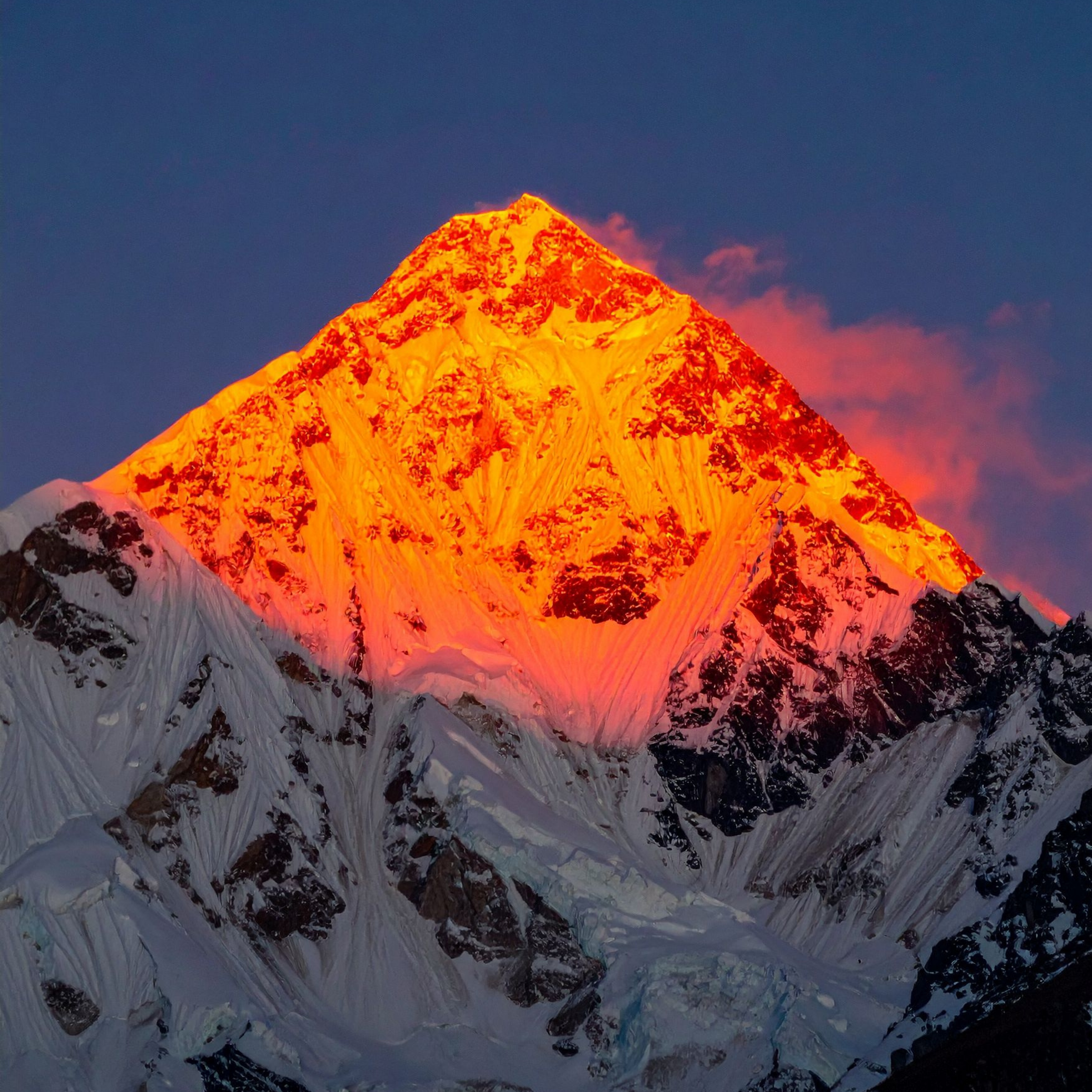
Everest Base Camp: Standing in the Shadow of Giants
The Journey: More Than Just a Destination
Everest Base Camp (EBC) isn’t just a trek; it’s a pilgrimage for anyone who finds peace in the mountains. If you’re looking for a generic list of distances and altitudes, you can find that anywhere. But if you want to know what it actually feels like to stand at the foot of the world’s highest peak, you’re in the right place.
The EBC trek is a sensory overload in the best way possible. It begins with the legendary flight to Lukla—a short, thrilling hop that drops you straight into the heart of the Khumbu region. From there, the world changes.
What to Expect on the Trail
The Suspension Bridges: You’ll cross deep gorges on swaying bridges draped in prayer flags. They look intimidating, but there’s a rhythmic magic to walking across them as the Dudh Koshi river roars below.
Namche Bazaar: The "Sherpa Capital" is a horseshoe-shaped village carved into the mountain. It’s your last taste of "luxury" (think Irish pubs and Himalayan lattes) before heading into the wilder alpine zones.
The Spiritual Path: You’ll pass ancient monasteries like Tengboche, where the chanting of monks and the smell of juniper incense provide a peaceful backdrop to the physical grind.
Is It Right For You?
Let’s be real: this trek is a challenge. You don’t need to be an elite athlete, but you do need "mountain grit." You’ll be walking 5–7 hours a day on rocky terrain. The air gets thin, the nights get cold, and the "Himalayan flat" (a local term for constant ups and downs) will test your legs. However, the camaraderie you build with fellow trekkers over a bowl of garlic soup in a tea house makes every mile worth it.
The Physics of the Climb
To give you an idea of the scale, you’ll be ascending to heights where the oxygen level is significantly lower than at sea level. The atmospheric pressure $P$ decreases as you climb, following a general exponential decay:
By the time you reach Base Camp at 5,364m, you’re operating on about 50% of the oxygen you’d have at the beach. That’s why we take acclimatization days—your body needs time to catch up!
When to Go
| Season | Vibe | Pros/Cons |
| Spring (March–May) | The "Climbing" Season | Clear skies, blooming rhododendrons, and a bustling Base Camp full of expedition tents. |
| Autumn (Sept–Nov) | The "Golden" Season | The crispest air and sharpest views. It’s the most popular time, so the trails are social. |